
Decoding MIL-Spec vs. Pantone for 3D Printing
MIL-Spec Paint, What?
Decoding MIL-Spec vs. Pantone for 3D Printing
You sent us a custom 3D printing project with a specific color attached, feeling confident and ready to roll. Then we sent back a message asking if you had a preferred MIL-Spec paint code, leaving you scratching your head. It is completely fair to wonder why a standard color choice is not enough. The secret boils down to absolute, flawless color consistency across every single production run.
The Pantone Dilemma in Additive Manufacturing
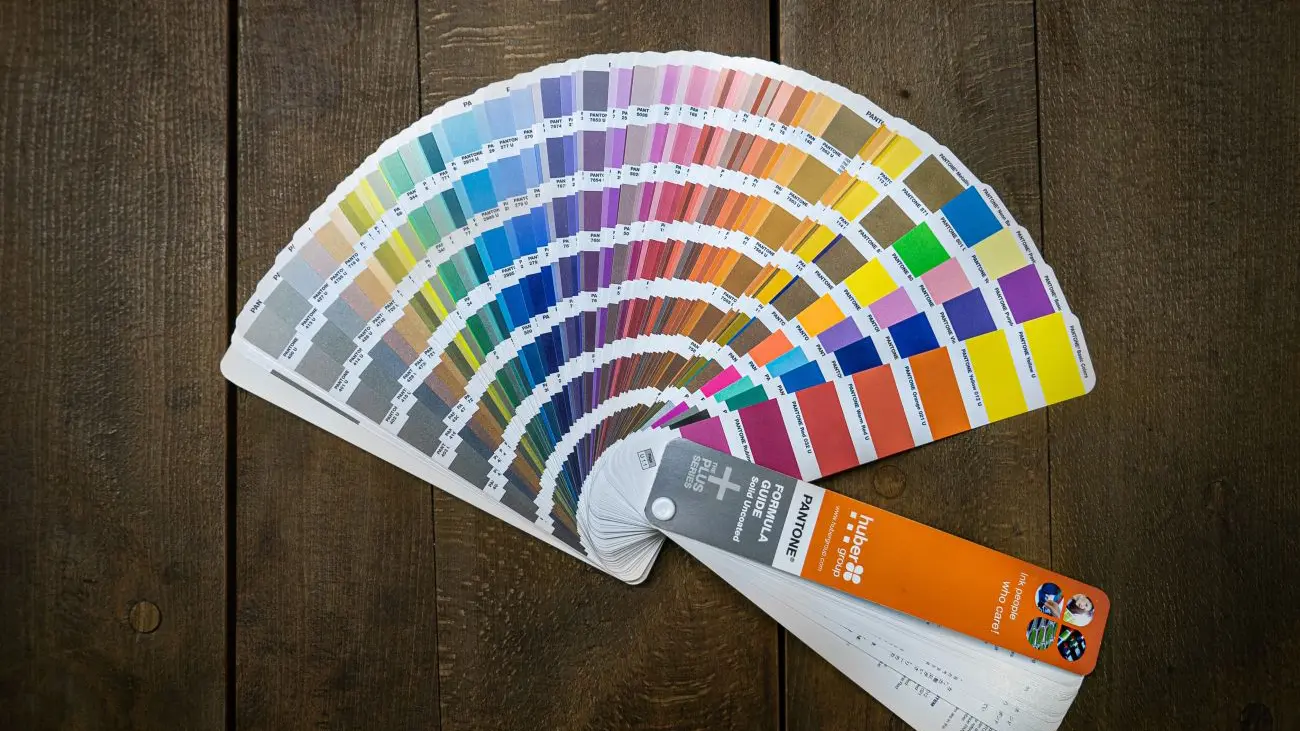
Most designers rely heavily on the Pantone Matching System to communicate color. Pantone is a fantastic, standardized system, but it was engineered specifically for printing ink on paper, not applying industrial paint to plastic. Pantone paints do not actually exist; shops can only offer a best-guess liquid paint match to an ink standard. When you are applying finish to custom 3D prints, close enough usually leads to mismatched parts down the line.
Why Military-Standard Paint Wins Every Time
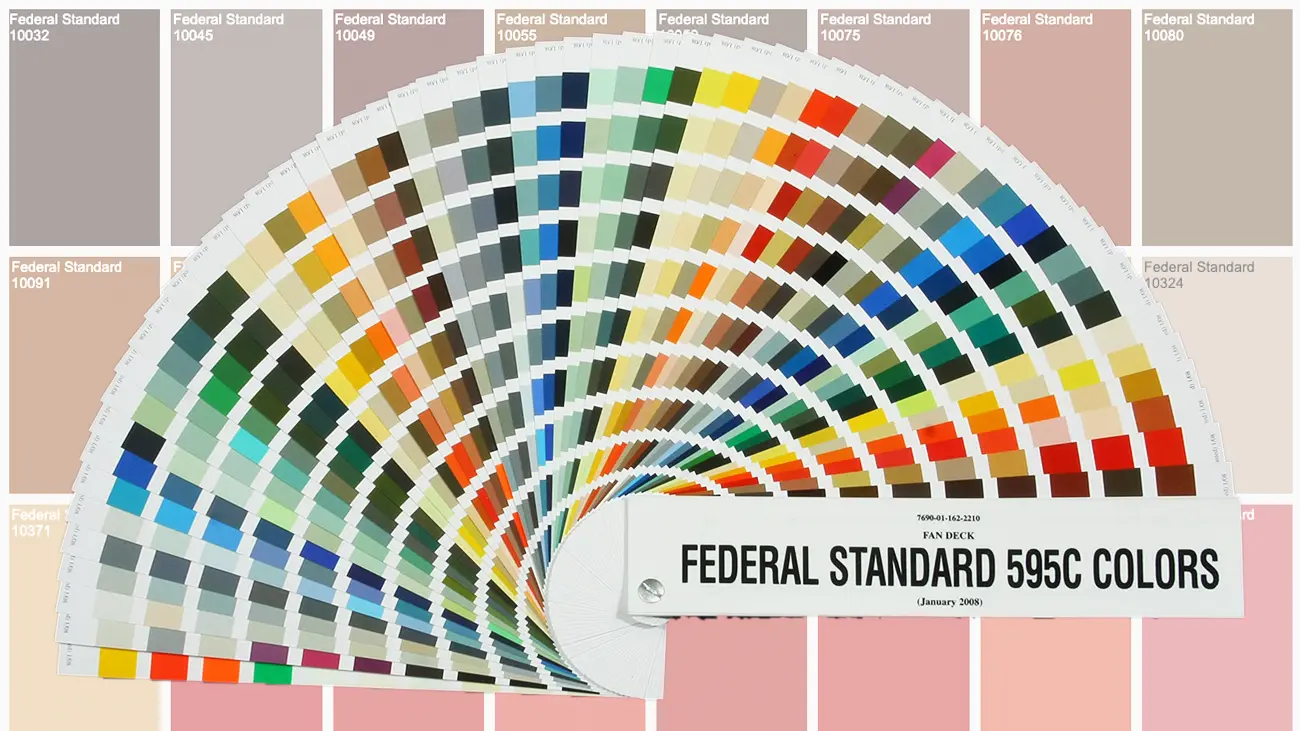
MIL-Spec refers to the rigorous standards created for the United States Armed Forces, including the strict color catalog now known as AMS-STD-595. Unlike an ink standard, a MIL-Spec code provides an exact, repeatable chemical paint recipe. The military demands absolute uniformity across vehicles, gear, and hardware regardless of when or where parts are finished. When we mix paint using a standardized MIL-Spec formula, every single item in your production batch matches the original design intent without variance.
The Recipe Analogy
Think of the difference like baking a chocolate cake from scratch. If you toss together flour, cocoa, eggs, and sugar from memory, you might produce a decent dessert the first time around. Try baking that exact same cake ten different times without a recorded recipe, and each version will taste or look slightly different. MIL-Spec paint acts as your master recipe, ensuring batch ten looks identical to batch one.
Smart Painting Options for Your Next Project
Achieving the perfect surface finish on your 3D printed parts comes down to choosing the right workflow for your scale. For small, single-run prototypes, simple off-the-shelf spray paints often work well enough. Alternatively, you can source custom liquid paint locally and provide it directly to our team for application. For maximum precision and repeatable long-term production, we always recommend browsing AMS-STD-595 color codes online, ordering a physical color chip to verify under real-world lighting, and sending us the corresponding number.
Get the Exact Color You Expect
Locking in your color specification upfront saves time, prevents costly rework, and eliminates awkward multi-shade surprises. Take a moment to review your finish requirements, browse standard military-grade paint codes, and upload your CAD file today to get a precise quote on your next project. For more information, please don't hesitate to contact us.