
How 3D Printing Supported COVID-19 Relief & PPE
How 3D Printing Supported COVID-19 Relief & PPE
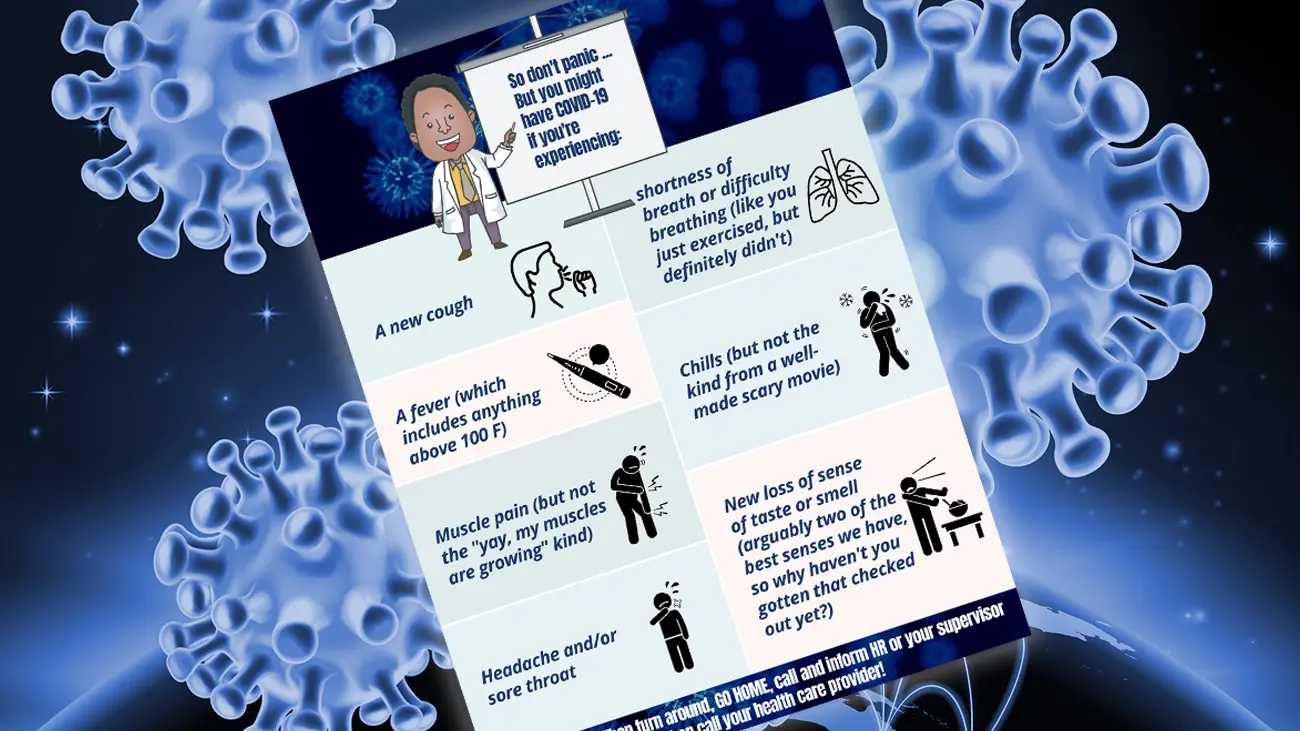
The COVID-19 pandemic exposed weaknesses in global supply chains almost overnight. Hospitals faced shortages of N95 masks, face shields, ventilator components, and other essential medical supplies.
While traditional manufacturing struggled to keep pace, 3D printing—also known as additive manufacturing—became one of the fastest ways to produce critical equipment. Across the world, engineers, manufacturers, universities, and hobbyists turned to rapid prototyping and on-demand production to create 3D printed PPE, replacement medical parts, and innovative healthcare solutions. What began as a manufacturing technology quickly became a powerful tool for emergency response.
As a 3D printing company, we're proud to highlight these efforts. Not because they're our success stories, but because they demonstrate what the entire additive manufacturing community can accomplish when speed, creativity, and collaboration matter most.
How the 3D Printing Community Came Together
One of the biggest challenges during the pandemic wasn't simply producing parts—it was sharing reliable information. EOS helped unite the global 3D printing community by creating a centralized resource hub filled with verified research, downloadable print files, webinars, and technical guidance. Instead of searching dozens of websites, makers and healthcare professionals could access trusted information in one place and begin printing faster.
This collaborative approach became a defining strength of additive manufacturing, allowing ideas, designs, and improvements to spread around the world in days instead of months.
3D Printed PPE Filled Critical Supply Gaps
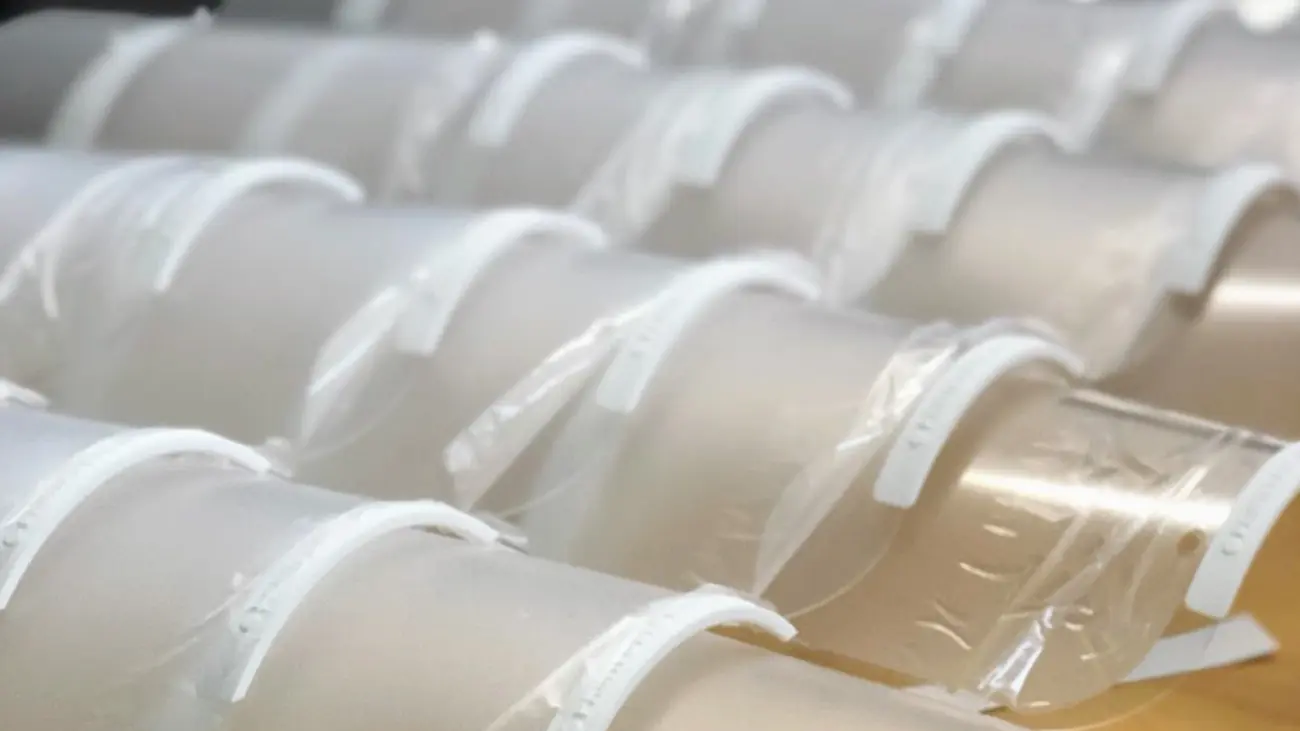
When personal protective equipment became difficult to source, the 3D printing industry responded immediately. Thousands of makers downloaded open-source designs for 3D printed face shields, mask components, ventilator accessories, and other emergency medical equipment. Unlike traditional manufacturing, which often requires expensive tooling and long production timelines, 3D printing can begin producing parts almost immediately.
Organizations like Maker Nexus connected volunteer makers with hospitals in need, while Tikkun Olam Makers (TOM) launched its Maker Army to coordinate global production. Industry leaders including Carbon, Prusa Research, and Formlabs, and Mercedes-Benz expanded manufacturing capacity to help meet unprecedented demand.
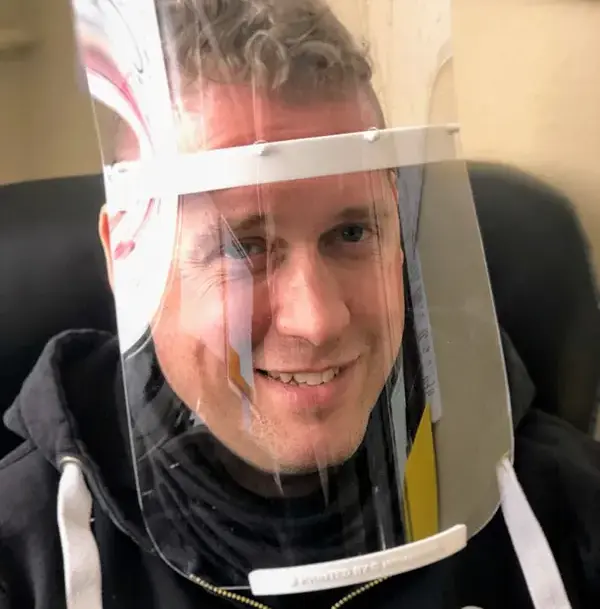
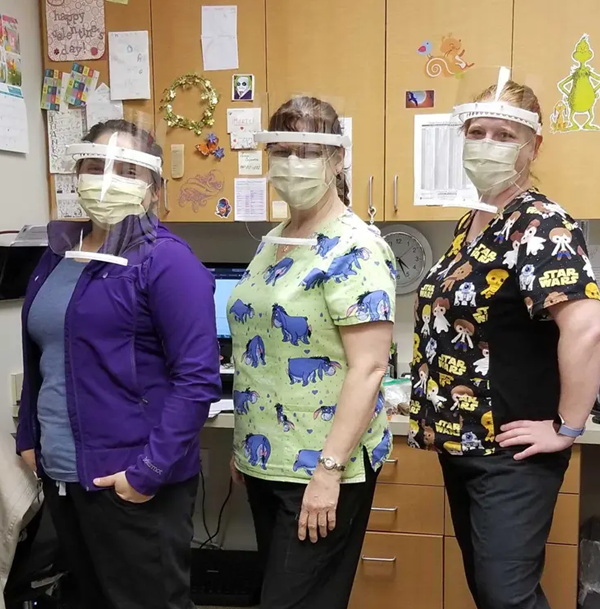
Local businesses also played an important role. Our team designed a protective mask, produced 250 face shields, and donated them to healthcare workers in our community. Sometimes the fastest supply chain is the one right down the street.

Medical 3D Printing Drove New Innovation
The pandemic wasn't only about printing more parts. It also accelerated medical 3D printing and inspired entirely new solutions.
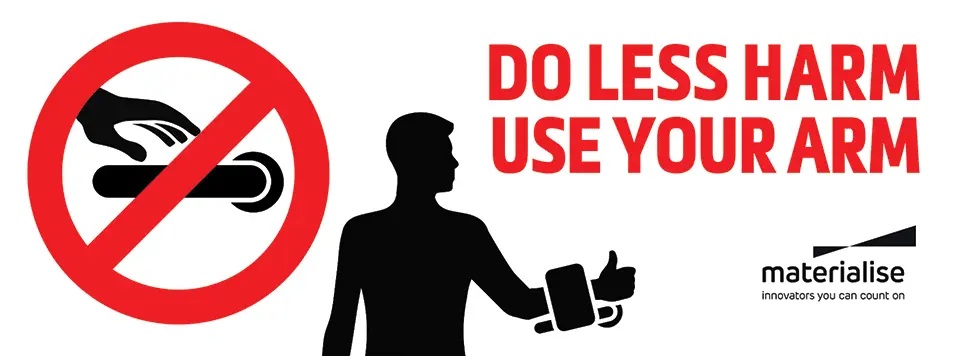
Materialise developed a non-invasive PEEP mask using existing hospital equipment, creating a practical respiratory solution that healthcare professionals could quickly adopt. The company also released free files for hands-free door openers to help reduce contact with shared surfaces.
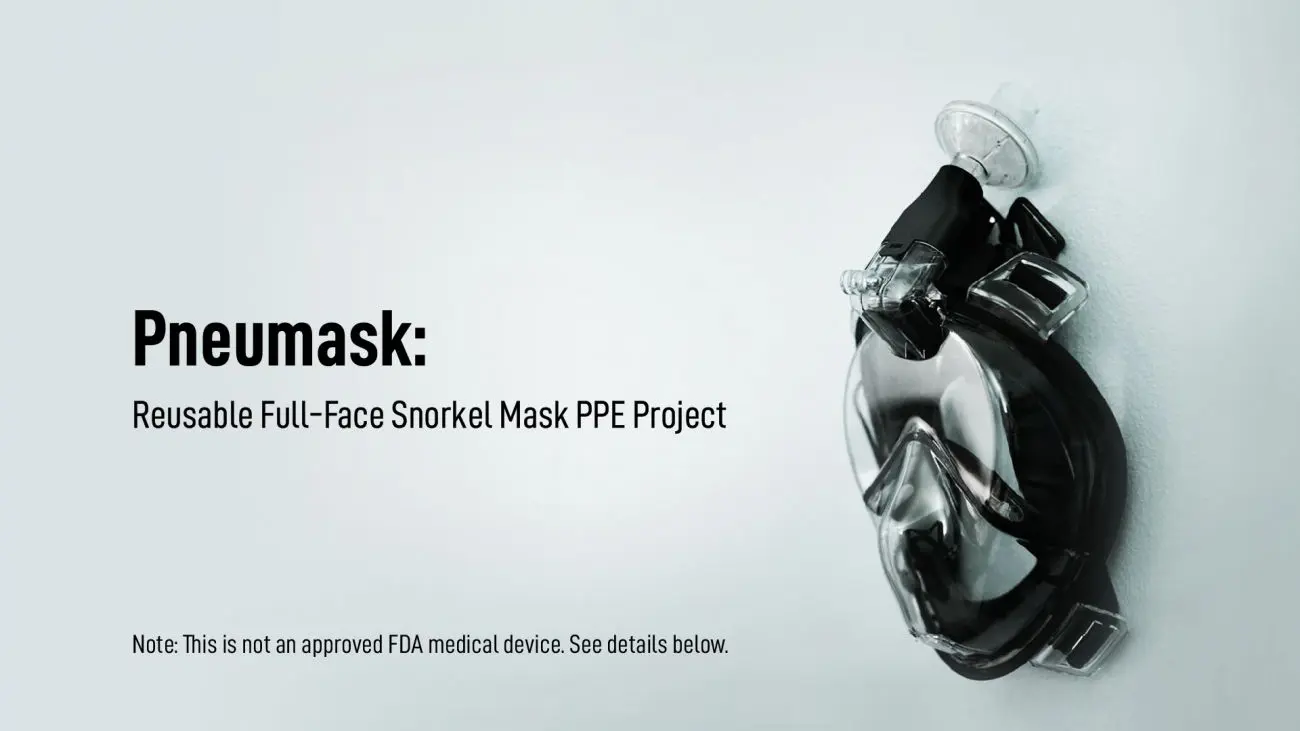
Researchers from Prakash Lab and Stanford University introduced Pneumask, combining a commercially available snorkel mask with a 3D printed adapter and replaceable filters to create reusable personal protective equipment during supply shortages.
Meanwhile, engineers in Italy designed and produced replacement ventilator valves when hospitals urgently needed them. These rapidly manufactured parts helped keep lifesaving equipment operating when every minute mattered. Few manufacturing technologies can move from digital design to finished part as quickly as 3D printing.
Understanding the Limits of 3D Printed PPE
While 3D printed PPE helped bridge urgent supply shortages, emergency manufacturing also highlighted the importance of testing and certification. During the early months of the pandemic, many designs were created faster than they could be fully validated for medical use.
Today, organizations evaluating medical 3D printing solutions should confirm product testing, regulatory guidance, intended applications, and material performance before deploying printed components in healthcare environments.
The Lasting Impact of 3D Printing
COVID-19 demonstrated that 3D printing is more than a manufacturing process. It is a fast, adaptable technology capable of solving real-world problems when conventional production cannot respond quickly enough. From rapid prototyping and 3D printed medical devices to community-driven innovation, additive manufacturing proved it can strengthen supply chains and support critical industries when they need it most.
The pandemic also reminded us that innovation doesn't always come from the biggest factory. Sometimes it starts with a single printer, a smart idea, and someone willing to press “Print.”
Have a 3D printing success story to share? We'd love to hear it. Contact our team to discuss your project, explore our 3D printing services, or request a quote to bring your next design to life.