
Step 2: You’re Ready for your CAD

Step 2: Turn Your Idea Into a 3D Printed Prototype
Now that you have a solid business plan for your prototype (missed that? Jump back to Step 1), it’s time for the fun part. You need to translate your concept into a digital format ready for rapid prototyping.
In other words, you need a CAD design for 3D printing. And that means you need an engineer. If you have a brilliant friend willing to trade engineering skills for pizza or a high-five, you're in luck. Let them handle this step and skip straight to Step 3. But if you don’t have a 3D printing engineer on speed dial, it’s time to find the right partner to bring your idea to life.
Why Do You Need a CAD File?
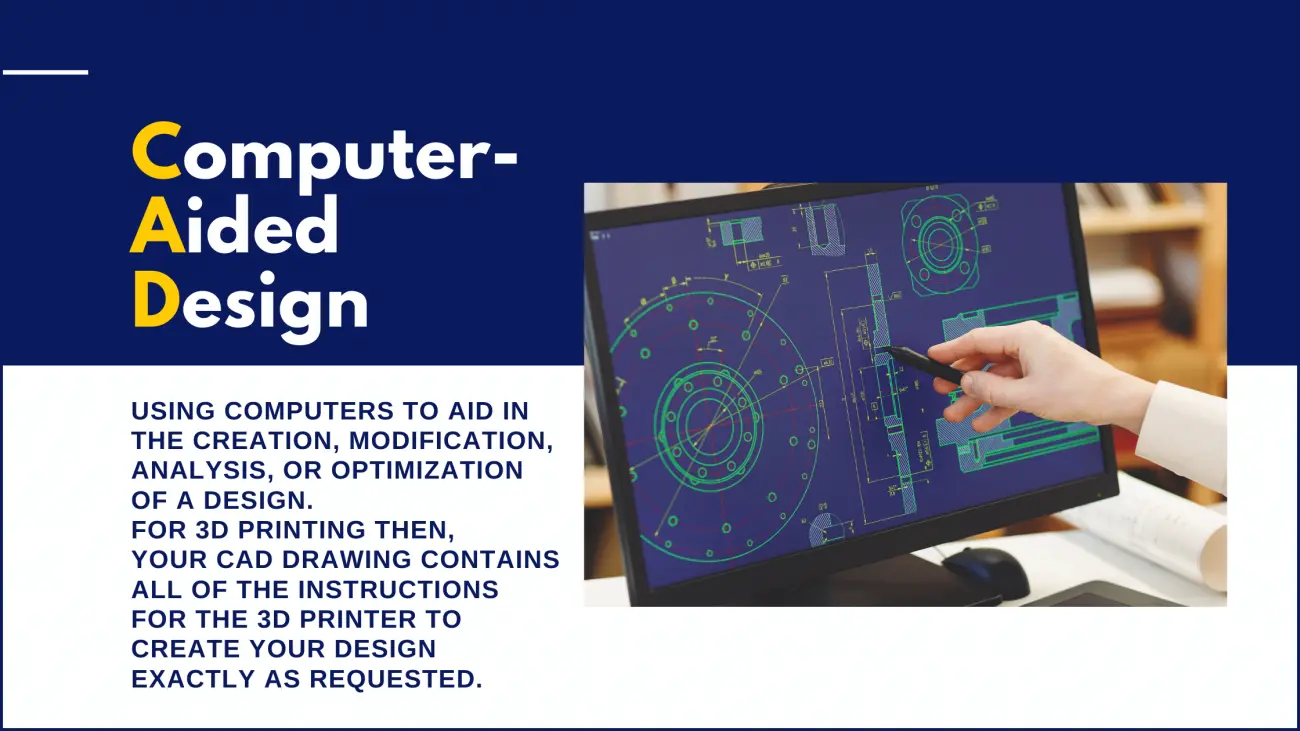
CAD stands for Computer-Aided Design. It is the digital blueprint that tells a 3D printer exactly how to build your 3D printed prototype.
3D printers follow strict rules, not wishes. A well-designed rapid prototyping CAD file dictates exactly where and how much material to deposit. Whether you are using basic desktop printers or industrial Selective Laser Sintering machines, the CAD file transforms a concept on a screen into a tangible object in your hand. Simply put: successful additive manufacturing depends entirely on a flawless CAD file.
Don't Know CAD? No Problem.
Many engineers don't just understand CAD; they live for it. (Seriously, some build 3D models on Friday nights for fun). The challenge isn't finding someone to create your design. The real trick is finding the right engineer to hire for CAD design at a price that fits your budget.
Choose Your Engineering Champion
Engineers come in many flavors. Depending on your prototype goals and budget, here are the most common matches:
- Mechanical Engineer — The Swiss Army knife of the engineering world. Their training covers a broad spectrum of physics, power-producing machines, and materials. When in doubt, a mechanical approach is a highly versatile, safe bet.
- Product Engineer — The specialist. They focus entirely on designing products that meet specific customer needs. They are highly skilled, but that targeted expertise often comes with a higher price tag.
- Manufacturing Engineer — The forward-thinker. Even at the prototype stage, design for additive manufacturing matters. These experts ensure your design is optimized for larger-scale production down the road.
- Program Engineer — The project manager. If organizing timelines and managing moving parts isn't your strong suit, a program engineer brings both technical knowledge and exceptional management skills to keep your project on track.
Where to Find the Right Fit
Time to start the search. Post your project on professional freelance boards, or reach out to the engineering department at a local university. Aspiring engineering students are often eager to test their skills and build their portfolios at a fraction of professional rates.
Write a clear, concise job description. Include your required experience level, budget, timeline, and as many project details as you can safely share.
The Interview Process
Treat your initial meetings like professional auditions. Before sharing your brilliant idea, have potential candidates sign a Non-Disclosure Agreement (NDA). If they refuse to protect your intellectual property, walk away.
Once the NDA is signed, ask these questions to find your perfect match:
- Can you share a recent CAD design project? What were the unique challenges, and how did you overcome them?
- Have you ever tackled a design for additive manufacturing project?
- How do you optimize a CAD file for manufacturability?
- Have you ever modified a client’s design to make it easier to produce? How did you handle that conversation?
- What is your standard rate, and how long does an average project take?
- How many design revisions are included in your initial quote?
What Happens Next?
Once you hire your engineer, you’ll soon have a finished CAD file in hand. But you aren't quite done.
Before hitting print, define the ultimate goal of your prototype. Are you building a proof of concept? A visual model for an investor pitch? A functional test piece to evaluate form and fit? Your end goal determines exactly how the prototype should be manufactured.
Ready to decide? Jump over to our next post to tackle Step 3! Need expert help getting started? Contact us or upload your CAD file for a quote today!