
Solution for a Heavy-Metal Problem at The Schnitz
An Out-of-the-Box Solution for a Heavy-Metal Problem at The Schnitz
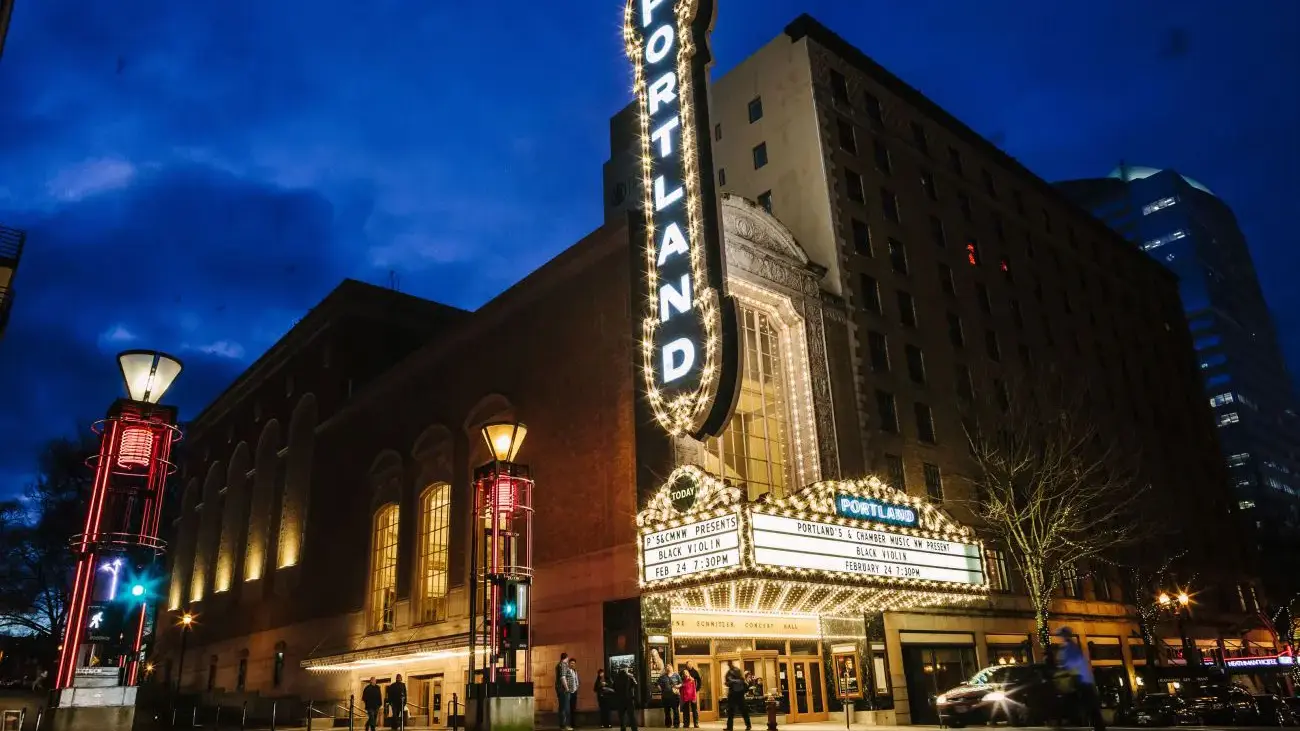
If you have ever visited Portland, you know the iconic marquee glowing on Broadway. That bright sign invites music lovers, theatergoers, and comedy fans into the Arlene Schnitzer Concert Hall. Known affectionately as “The Schnitz,” this legendary venue remains a vibrant hub for the Pacific Northwest arts scene.
History Lesson: Preserving Portland's Historic Cultural Landmark
Built in 1928 as the Portland Public Theatre and later renamed the Paramount, the venue was saved through community restoration in the 1980s. Key support came from local patrons Arlene and Harold Schnitzer. In 2013, the parent organization rebranded as Portland’5 Centers for the Arts to unify its five iconic venues. Preserving an almost century-old landmark brings unique infrastructure challenges, especially when vintage charm collides with modern health standards.
The Bottleneck: Vintage Charm Meets Heavy-Metal Plumbing Headaches
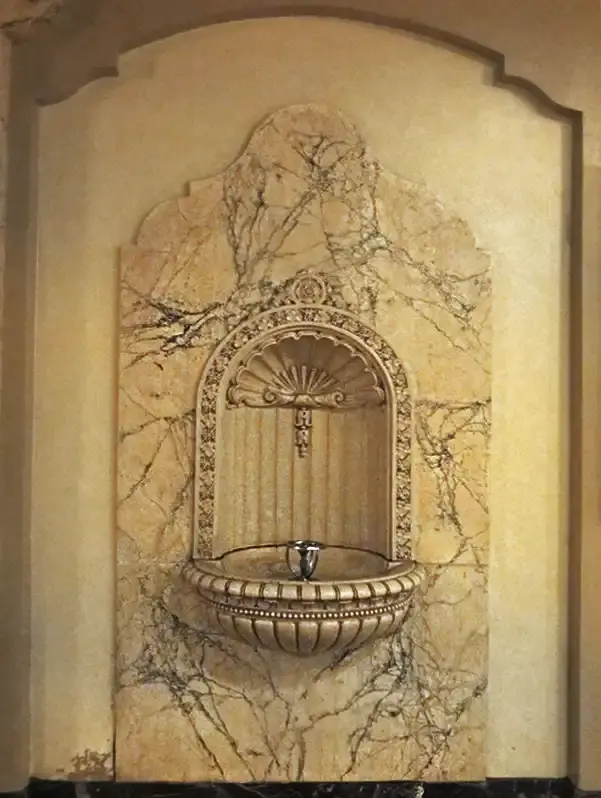
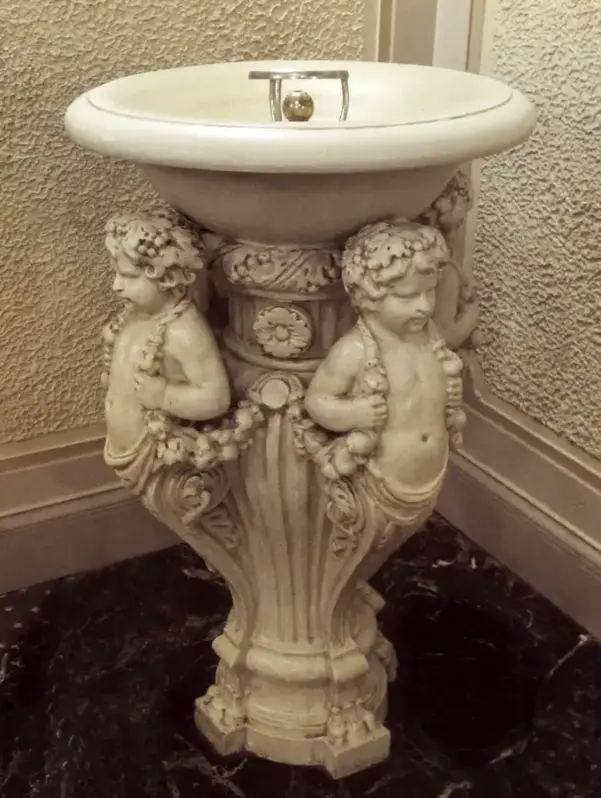
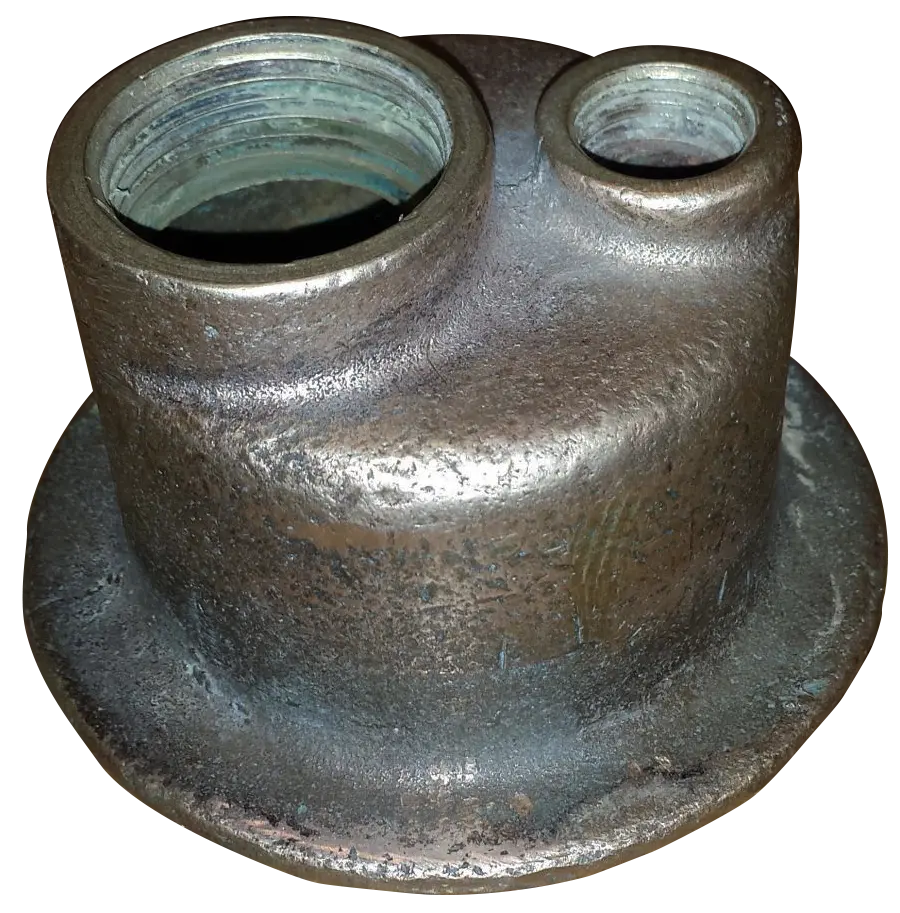
Updating a 1920s venue requires constant upkeep. Back in 1928, lead was the standard material for plumbing fixtures, including the front-of-house lobby drinking fountains. Unsurprisingly, modern health standards strongly oppose serving heavy metals with drinking water. When testing revealed trace lead in the vintage fountains, Portland’5 Facility Manager Ed Williams needed a quick fix. Replacing the specialized 1928 water supply and drain fixtures proved brutal. Traditional metal casting and custom machine shop work would take months and cost a fortune. Ed wanted a smarter route, turning to custom 3D printed replacement parts for a faster, cost-effective solution.
The Solution: Additive Manufacturing and Modern CAD Redesign
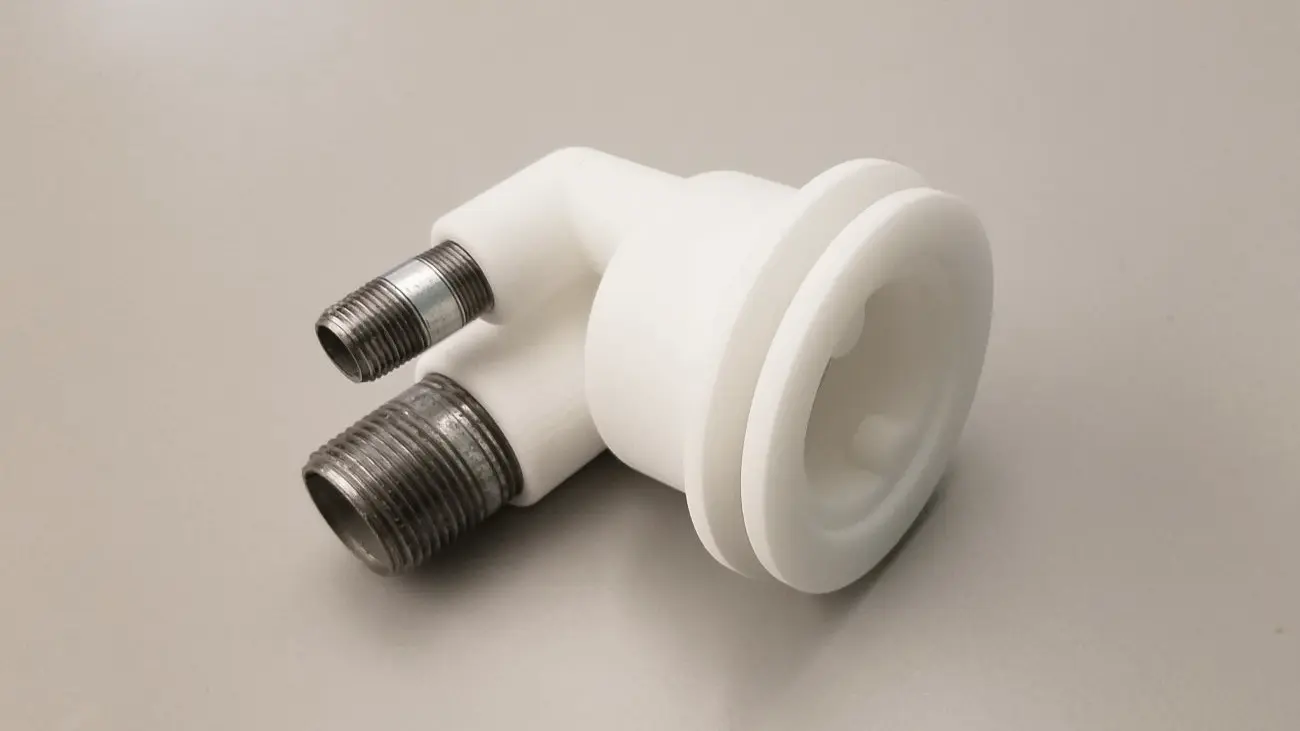
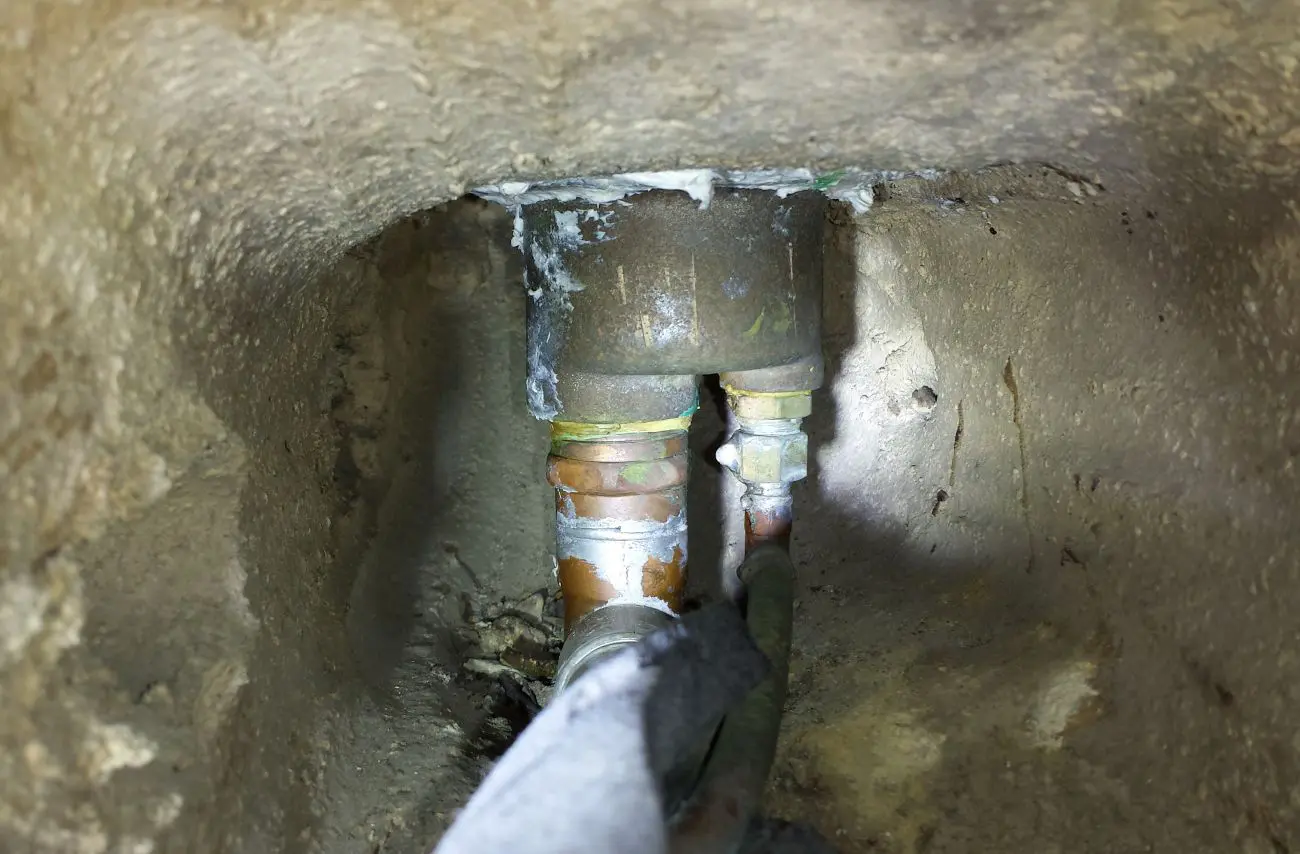
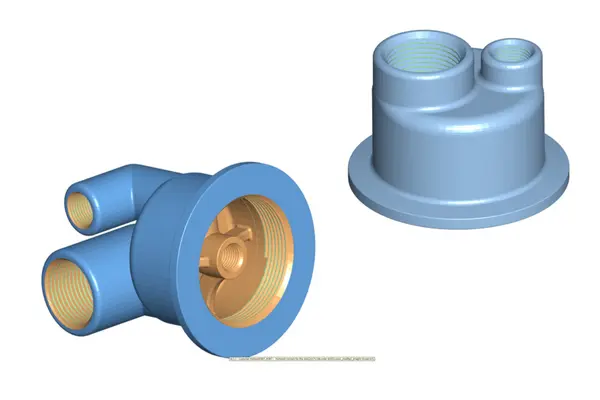
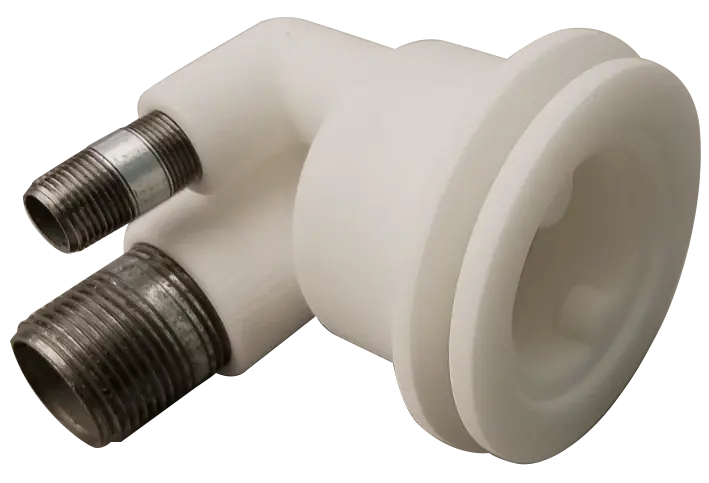
Ed reached out to our engineering team to explore additive manufacturing. The original brass fixture design was overly complex, requiring a tight stack of threaded copper pipes wedged underneath the fountain bowl. Our 3D designer redesigned the part in CAD software, directly integrating 90-degree elbows into the custom printed body. This simple tweak eliminated multiple solder joints and allowed a direct, seamless connection to flexible braided stainless steel hoses. We then manufactured the custom plumbing components using durable, FDA-approved Nylon 12.
The Results: Faster Production, Lower Costs, and Zero Lead
Bypassing custom metal casting saved Portland’5 thousands of dollars and months of headache. With additive manufacturing, producing additional replacement parts now takes just three days and under $90 in materials. By combining smart CAD redesign with high-performance 3D printing materials, we solved an “unsolvable” historic restoration problem in record time.
Got an impossible replacement part problem of your own? Contact our engineering team today, request a quote, or upload your CAD file to see how 3D printing services can bring your project back to life.
Updated September 11, 2026 | Originally published on February 22, 2018
Schnitzer Fountain Images: Wikimedia Commons | Photo Credits: Arlene Schnitzer Portland marquee (Photo by Jason Quigley); The original Paramount sign (Source: oregonencyclopedia.org)