
How Custom 3D Printing Cut Tooling Costs
How Custom 3D Printing Cut Tooling Costs from $8,000 to $35 for a West Coast Screen Printer
Glass-Filled Nylon vs. Machined Steel Tooling
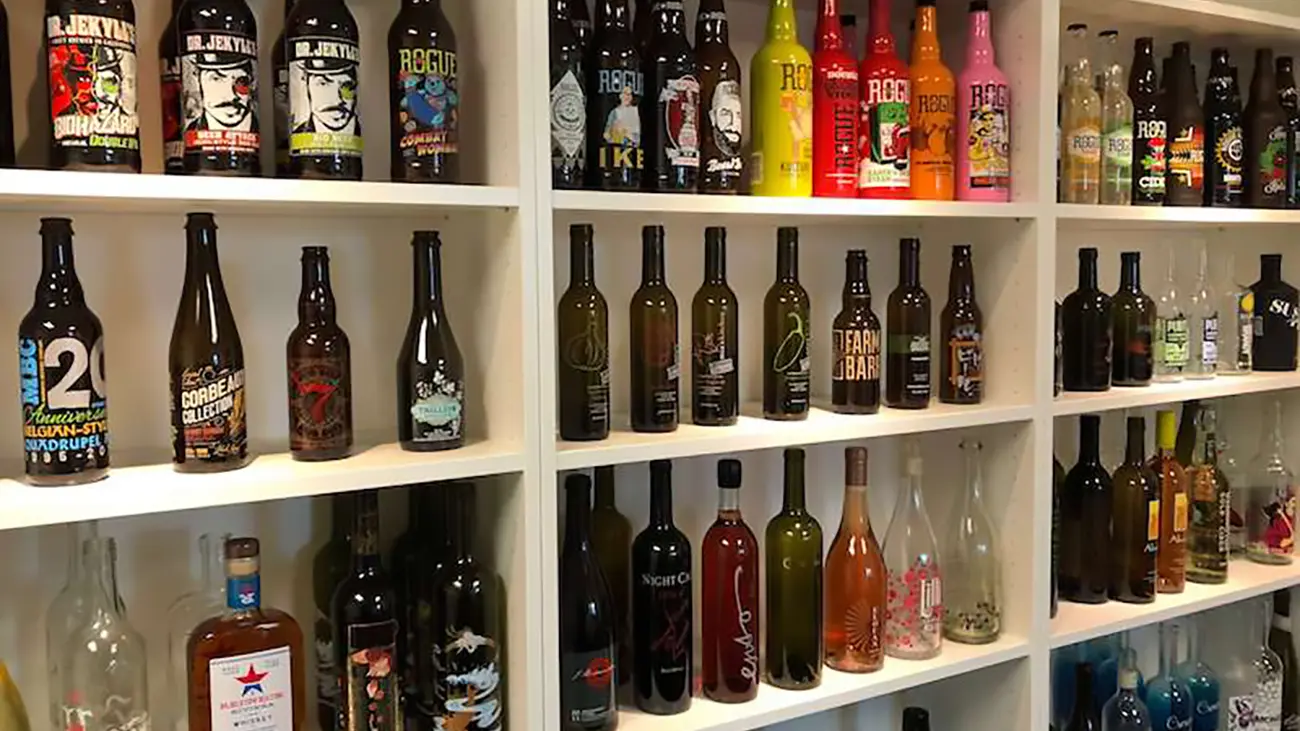
From craft beer to artisanal salad dressing, most glass, plastic, or metal packaging started its life as a blank canvas.
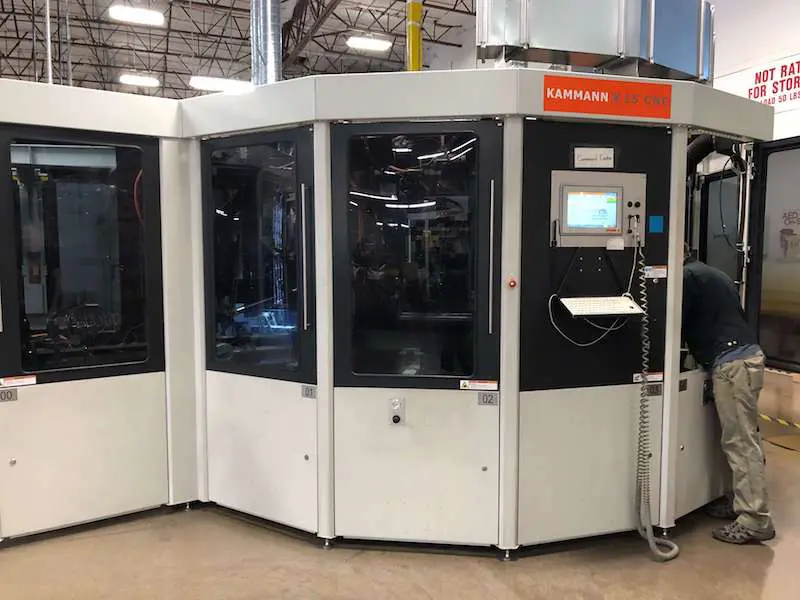
Superior Screen Systems (Tri-S) turns those blank containers into artwork. Operating out of a high-capacity facility in Tualatin, Oregon, their 25-person team prints up to 20,000 bottles daily for brands across the country. They combine high-volume production with eco-friendly practices, utilizing non-toxic organic inks, rapid UV-curing technology, and green facility initiatives.
The Bottleneck: Expensive Tooling and Long Lead Times
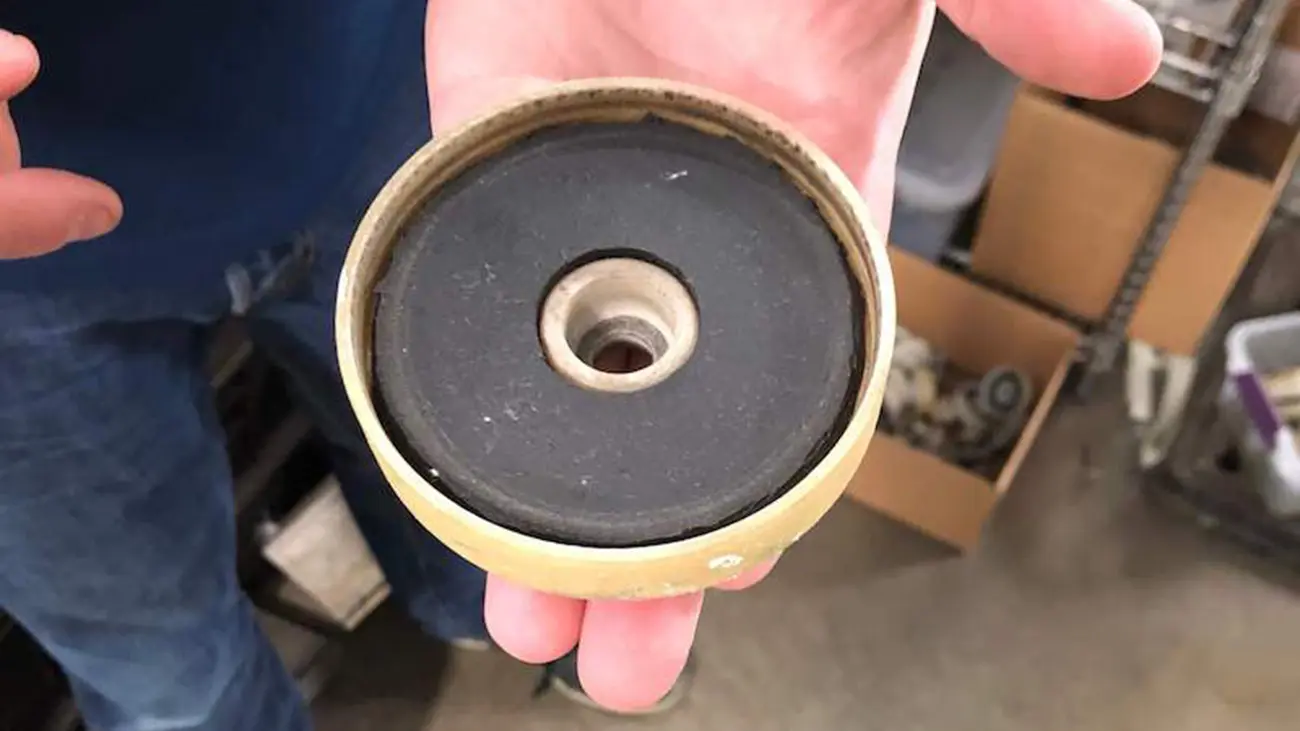
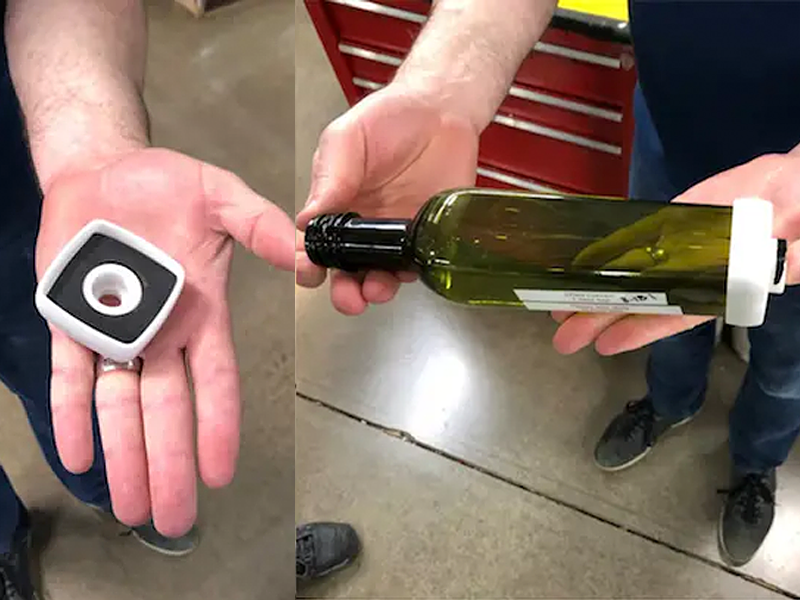
High-speed container decoration requires a flawless fit. The primary printing line relies on custom base cups and nose cones to secure bottles during printing and curing. Because container dimensions vary wildly—even among identical glass production batches—every new bottle design requires a unique set of custom tooling.
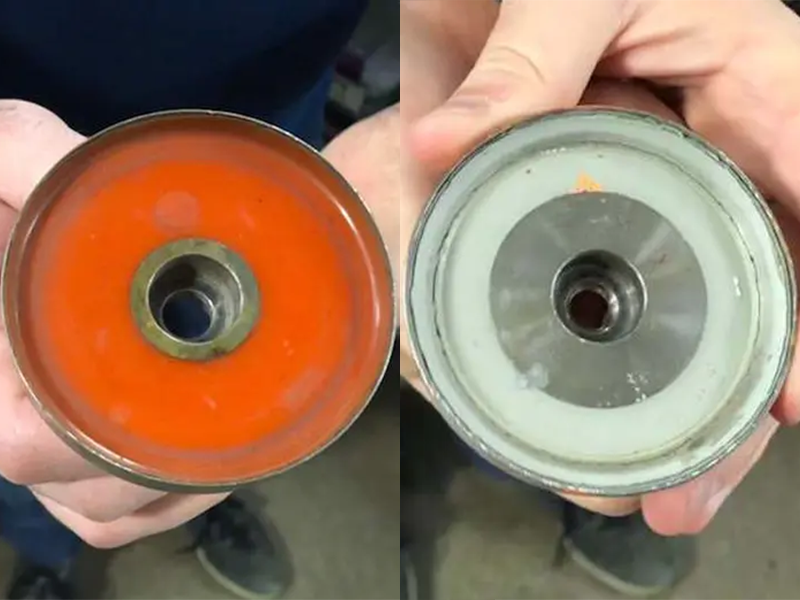
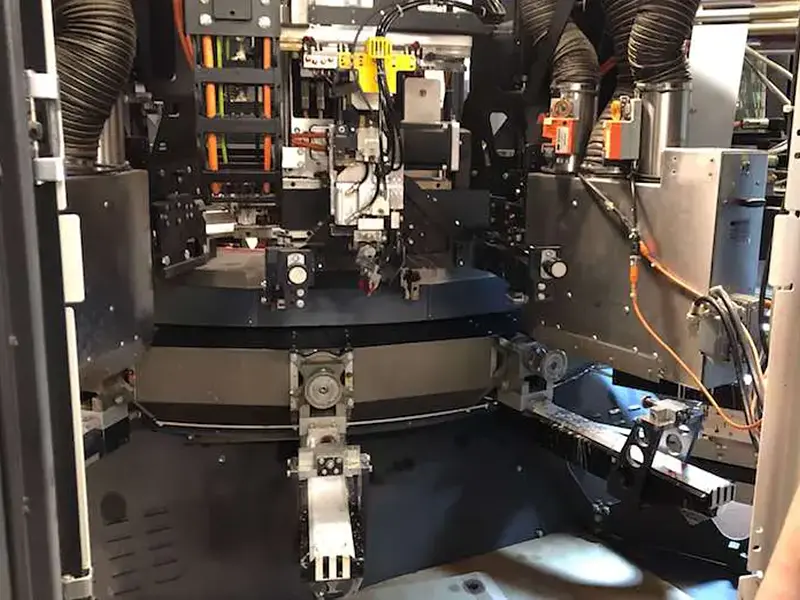
Originally, Tri-S sourced steel tooling sets directly from their German machinery manufacturer. A single 16-piece set of steel base cups cost anywhere from $8,000 to $20,000, with lead times averaging eight long weeks. Switching to a local machine shop slightly lowered component costs, but lead times remained stuck at two months. Furthermore, machined steel components posed a durability risk. Dropping a steel cup distorted its shape, rendering the expensive component useless and halting production line setup.
The Solution: Rapid Additive Manufacturing for Industrial Tooling
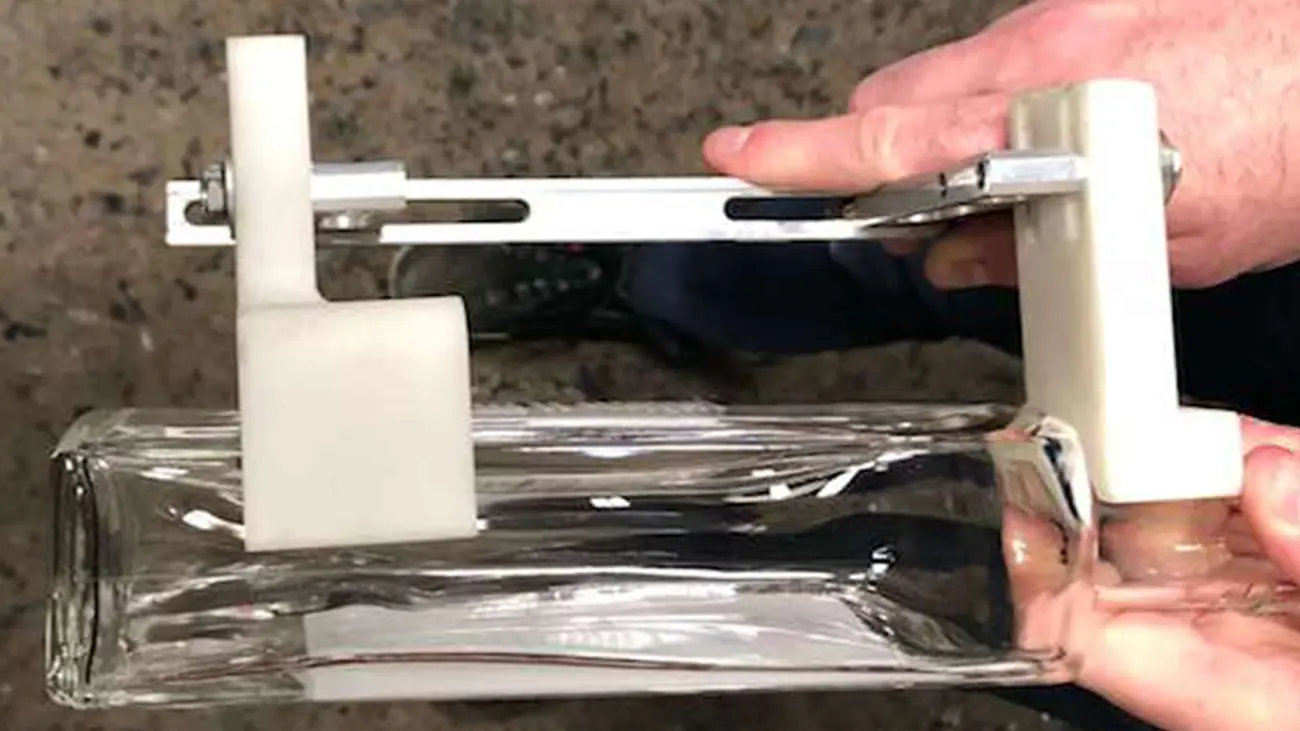
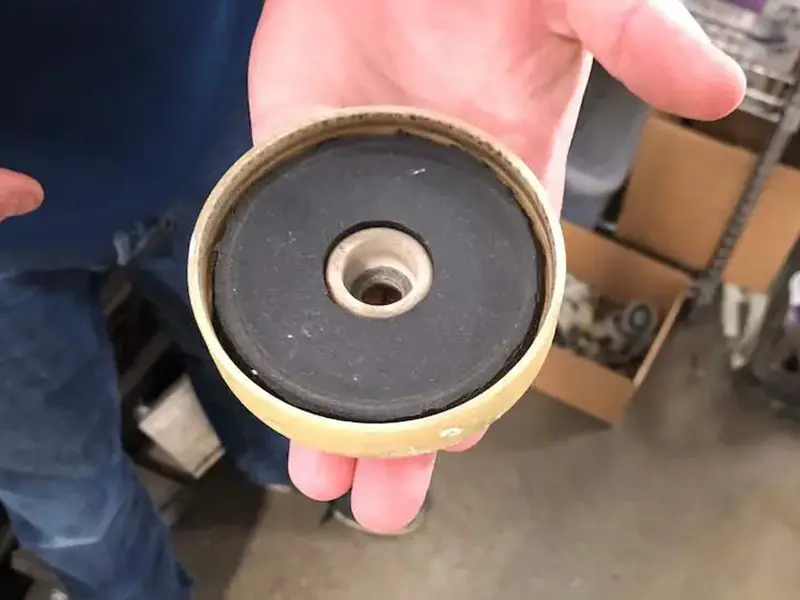
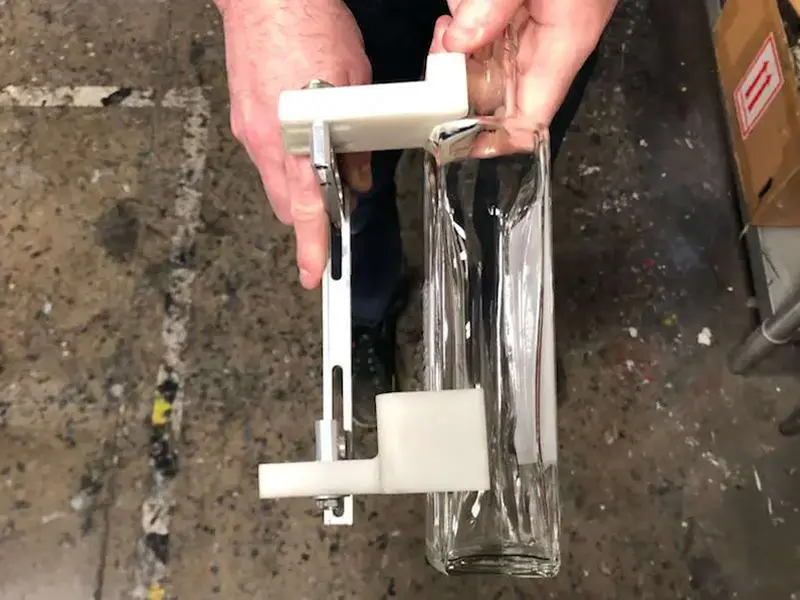
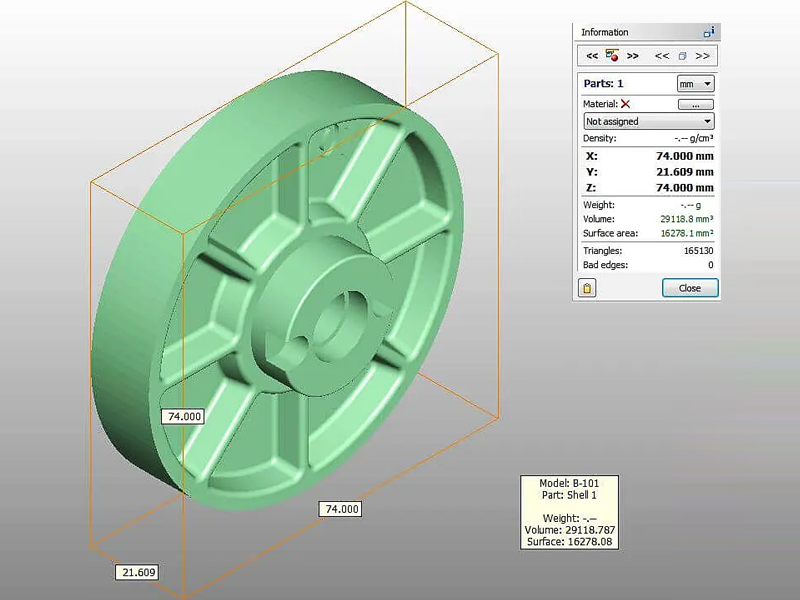
Seeking a faster, more cost-effective production method, Tri-S President John Chapman turned to Northwest Rapid Manufacturing to explore industrial 3D printed tooling. The transition replaced traditional metal machining with additive manufacturing for custom 3D printed base cups, nose cones, and bottle-handling grippers.
The new assembly utilizes glass-filled nylon paired with a flexible rubber liner. This combination easily endures high-intensity UV curing rays and repetitive mechanical loading during rapid bottle insertion.
The Results: Massive Savings and Faster Production Turnarounds
The shift to rapid tooling additive manufacturing completely transformed the company's tooling budget and delivery timeline. Instead of waiting two months and spending thousands on machined steel, Tri-S now receives custom 3D-printed tooling sets in just 7 to 10 business days for roughly $35 per set.
While extreme high-heat operations—such as 400°F thermal spray-coating ovens—still require traditional steel components, 3D printing handles virtually all standard line operations. This shift drastically lowers short-run production costs and speeds up client onboarding.
By swapping rigid metal fabrication for flexible additive manufacturing, Tri-S dramatically reduced overhead while accelerating production capability. Ready to eliminate long lead times and lower your production costs? Reach out to our engineering team today or request a custom quote for your next project.